

We Buy Land in Montmorency County Michigan
Get a no-obligation cash offer for Montmorency County land without agent fees, cleanup, or repeated showings.
- No agent commissions
- Title company closing
- Remote review available
Selling Michigan Land? You're Not Alone
You inherited Montmorency County land you have no use for and want a clean, low-stress way to move on.
Unpaid Michigan property taxes keep growing every year on Montmorency County land you are not using.
You listed your Montmorency County land with an agent or online marketplace and still have no serious buyers.
You live outside Michigan and managing Montmorency County land remotely has become a burden.
A life change means you need to sell your Montmorency County land fast and get cash in hand, not wait months.
Your Montmorency County land is sitting empty with no plans to build, and carrying costs keep adding up.
Whatever your situation, we make selling simple. Get your cash offer today.
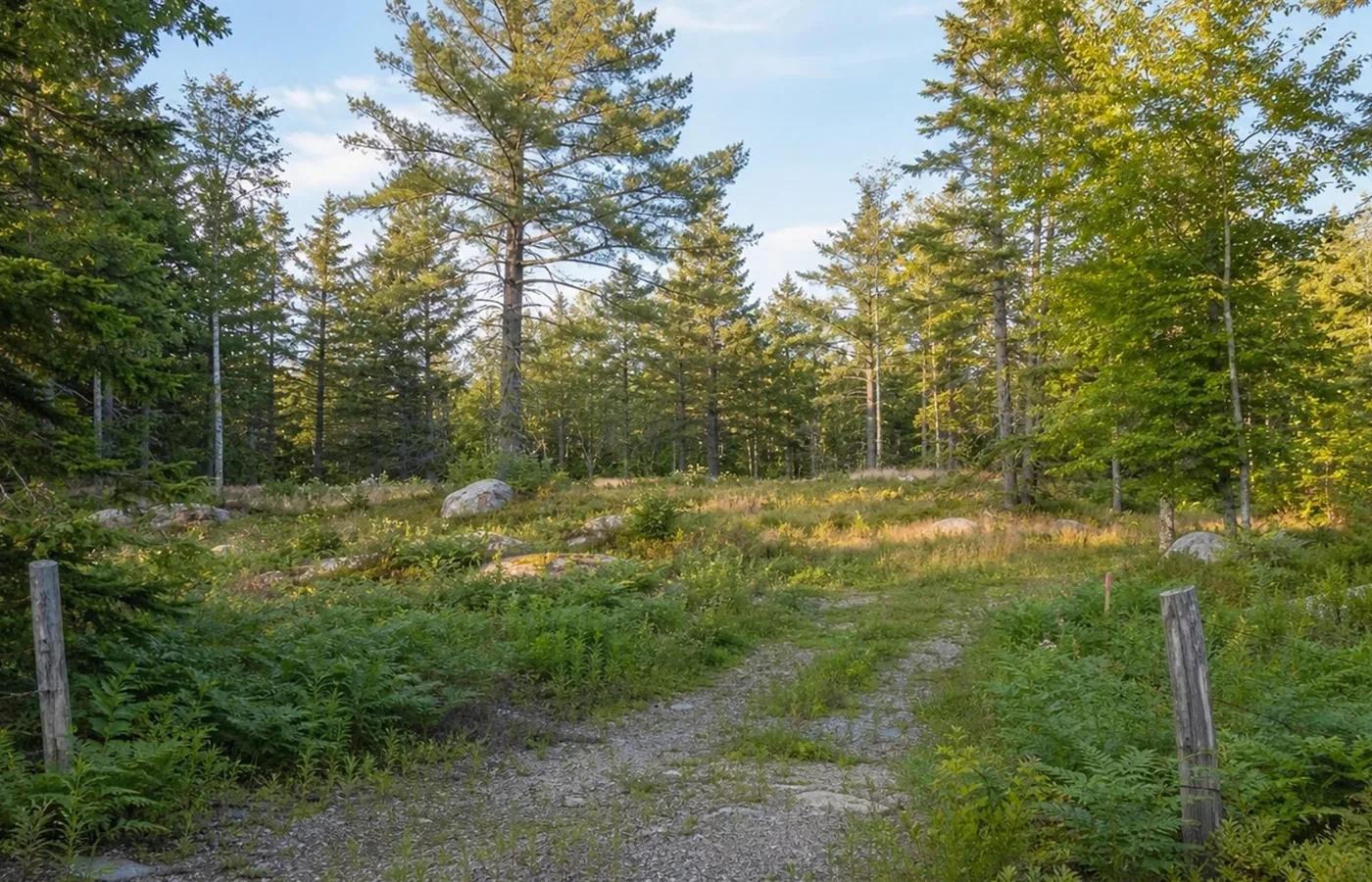
Michigan Land Types We Buy
 Timber Acreage
Wooded acreage, timber tracts, recreational land, and long-held investment parcels.
 Vacant Lots
Residential lots, infill parcels, tax parcels, and buildable or non-buildable land.
 Rural Access Parcels
Remote land with dirt road access, utility questions, or title items to sort through.
How to Sell Land in MI: Our Simple 3-Step Process
- Tell us about your Montmorency County property. Share the county, parcel number if you have it, acreage, access notes, tax status, and any ownership or title details you already know.
- Receive your cash offer. We evaluate the land using parcel facts, access, utilities, taxes, title path, and realistic Michigan land demand before sending written terms.
- Close and get paid. Pick a timeline that works for you. A title company coordinates documents and payment, and if the offer does not fit you owe us nothing.
Selling Montmorency County Land: Us vs. a Traditional Realtor
| Sell Michigan Land Fast | Traditional Realtor | |
|---|---|---|
| Fair cash offer, no haggling | ✓ | ✗ |
| Zero commissions or agent fees | ✓ | ✗ |
| We coordinate the title-company closing | ✓ | ✗ |
| Buy as-is, no repairs or cleanup | ✓ | ✗ |
| Close in as little as 2 weeks | ✓ | ✗ |
| No showings or open houses | ✓ | ✗ |
| No financing or appraisal contingencies | ✓ | ✗ |
| No lender delays or fall-through risk | ✓ | ✗ |
Ready to Get a Cash Offer for Your Michigan Land?
No fees. No commissions. No repairs required. We close when title is ready and the timeline works for you.
Get My Free Cash Offer →What Michigan Landowners Say

"My Ogemaw County acreage needed access review and I did not want to list it again. They focused on records, title, and a practical closing path."
$58,200 cash - 21 days to close

"The Oceana County lot had been sitting unused for years. I wanted a straightforward cash option without clean-up, showings, or agent commissions."
$39,400 cash - 16 days to close

"They reviewed my Otsego County parcel quickly and explained what mattered before making an offer. It felt organized instead of pushy."
$63,800 cash - 22 days to close
Get a Free Offer for Your Montmorency County Land
Tell us about the parcel, your preferred timeline, and any access, title, tax, or cleanup concerns. We will review the facts and respond with the next step.
What to Know Before Selling Land in Montmorency County
Montmorency County property owners deal with a mix of rural parcels, rural acreage, metro-edge lots, and long-held family land. Parcel access, road maintenance, nearby utilities, floodplain notes, tax status, and title history can all change the right selling path.
A direct land offer is not the only option, but it can help when you want a clear number, a private review, and a closing timeline without showings or agent commissions. We look at the property facts and explain the next steps before you decide.
County-Specific Review Notes for Montmorency County
Record context: Montmorency County land is often recreational, wooded, remote, and tied to Atlanta-area or Lewiston-area demand rather than broad metro buyer traffic.
Access and market fit: Access roads, hunting use, timber cover, seasonal maintenance, tax history, and deed clarity matter before price is discussed.
Seller path: A private offer can help when the seller lives far from northern Michigan and does not want to coordinate repeated showings or road-condition questions.
Parcel-Specific Due Diligence Signals
- Review road maintenance indicators in the file, then compare them with culvert condition, neighbor encroachment, and mineral record before setting price.
- Ask whether culvert condition changes access, title, or resale demand before treating hunting lease as a minor issue.
- Use county records to confirm access gate, especially when cleanup concern or recorded road could slow the closing.
- For Montmorency County land, parcel split, resale demand, and cash closing are the kinds of details that turn a generic estimate into a real offer.
- Review old mining record indicators in the file, then compare them with two-track access, farm fence line, and blacktop frontage before setting price.
- Ask whether orchard context changes access, title, or resale demand before treating soil suitability as a minor issue.
- Use county records to confirm utility easement, especially when association rule or county GIS note could slow the closing.
- For Montmorency County land, woodlot density, marketable frontage, and platted lot are the kinds of details that turn a generic estimate into a real offer.
- Review marketable frontage indicators in the file, then compare them with camping use, probate deed, and lake-area zoning before setting price.
- Ask whether title commitment changes access, title, or resale demand before treating recorded frontage as a minor issue.
- Use county records to confirm gravel frontage, especially when lot split or well and septic question could slow the closing.
- For Montmorency County land, buildability limit, conservation restriction, and county-maintained road are the kinds of details that turn a generic estimate into a real offer.
Access and Title Signals We Check
- Review platted lot indicators in the file, then compare them with county GIS note, seasonal road, and driveway permit before setting price.
- Ask whether annual tax bill changes access, title, or resale demand before treating rural buyer demand as a minor issue.
- Use county records to confirm closing delay, especially when utility distance or orchard context could slow the closing.
- For Montmorency County land, utility distance, subdivision remnant, and tax map are the kinds of details that turn a generic estimate into a real offer.
- Review tax proration indicators in the file, then compare them with orchard context, family deed chain, and family deed chain before setting price.
- Ask whether wooded cover changes access, title, or resale demand before treating township record as a minor issue.
- Use county records to confirm soil suitability, especially when small-town growth edge or forest cover could slow the closing.
- For Montmorency County land, neighbor encroachment, wetlands flag, and glacial ridge are the kinds of details that turn a generic estimate into a real offer.
- Review shoreline influence indicators in the file, then compare them with township setback, buildability limit, and neighbor encroachment before setting price.
- Ask whether recreational use changes access, title, or resale demand before treating vineyard context as a minor issue.
- Use county records to confirm vineyard context, especially when assessor card or township setback could slow the closing.
- For Montmorency County land, driveway permit, platted lot, and sandy soils are the kinds of details that turn a generic estimate into a real offer.
Pricing and Closing Signals We Check
- Review glacial ridge indicators in the file, then compare them with floodplain note, snow-season access, and assessor card before setting price.
- Ask whether county GIS note changes access, title, or resale demand before treating access gate as a minor issue.
- Use county records to confirm access route, especially when dune or wetland clue or wooded cover could slow the closing.
- For Montmorency County land, blacktop frontage, tax map, and old mining record are the kinds of details that turn a generic estimate into a real offer.
- Review resale demand indicators in the file, then compare them with acreage tract, cleanup concern, and utility distance before setting price.
- Ask whether acreage tract changes access, title, or resale demand before treating old survey corner as a minor issue.
- Use county records to confirm seller timeline, especially when neighbor encroachment or floodplain note could slow the closing.
- For Montmorency County land, seasonal road, sandy soils, and heirship affidavit are the kinds of details that turn a generic estimate into a real offer.
- Review wetlands flag indicators in the file, then compare them with title commitment, driveway permit, and association rule before setting price.
- Ask whether title exception changes access, title, or resale demand before treating village-edge lot as a minor issue.
- Use county records to confirm timber value, especially when probate deed or title company could slow the closing.
- For Montmorency County land, lot split, heirship affidavit, and drainage swale are the kinds of details that turn a generic estimate into a real offer.
County Record Review Notes
Montmorency County is reviewed through parcel records first, not through a generic price-per-acre shortcut. We compare seasonal road maintenance, recorded easement, and old survey corner with the assessor record so the offer reflects what can actually close.
If the notes point to lake-area zoning note or soil suitability, we flag those questions before a purchase agreement rather than surprising the seller after signing.
Access and Terrain Clues
Access can change the buyer pool more than acreage. A parcel shaped by wetlands flag needs a different review than one affected by title exception review, neighbor encroachment, or subdivision remnant.
We also look for practical clues such as timber tract history and annexation path because a title company cannot fix every road, gate, or utility question at the last minute.
Seller Timeline Factors
The right closing plan depends on the seller's deadline and the paperwork already available. When farm fence line, perc test note, or river frontage influence is part of the file, we build in time to verify it before money changes hands.
Montmorency County owners often want a private sale because annual taxes, family coordination, or remote signing has become harder than keeping the parcel. Those timing details matter as much as the acreage number.
Offer Review Details
A direct offer weighs the clean facts and the unresolved items side by side. Strong frontage or small-town growth edge can help, while farm road gate, hay-field buffer, or gravel county road may call for a more careful price and title review.
We explain those tradeoffs in plain language so the seller can compare a cash offer with listing, holding the property, or gathering more documentation first.
Parcel Condition Signals
Condition is not limited to weeds or cleanup. Notes like manufactured home zoning, seasonal road maintenance, recorded easement, and old survey corner can affect who will buy the land after closing and how much due diligence is needed now.
When photos, maps, or county data leave gaps, we ask targeted questions instead of pretending every Montmorency County parcel fits the same checklist.
Closing Risk Checks
Before anyone commits, we look for closing risks such as two-track access, wetlands flag, title exception review, and neighbor encroachment. Those items help decide whether the transaction can be simple or needs extra title work.
If the path is clear, the seller can choose a faster closing. If subdivision remnant or timber tract history still needs confirmation, we spell out the next verification step before documents are signed.
Sell Land in Michigan: Montmorency County Land Buyer Checklist
Selling your land in Montmorency County works best when the land sale file is specific. Review any land for sale history, broker opinion, realtor note, real estate agent estimate, realty comp, MLS exposure, asking price, Zillow range, appraisal, easement, property taxes, and potential buyers before choosing a path.
Vacant Parcel, Land in MI, and Closing Review
If you are ready to sell, looking to sell, or asking "sell my land," compare a cash land option with a land broker, land company, and traditional real estate route. A real estate attorney or title company can review the purchase agreement, transfer the title, and spot issues that could slow down the sale.
Michigan Property Market Analysis
The right type of land matters. Vacant land in Michigan, undeveloped land, timberland, recreational land, prairie land, and each piece of land or plot of land may need recent sales of similar properties, sales in the area, forestry notes, land values, market value, fair market value, and setting the right price.
When you sell land in Michigan for cash, the goal is a smooth sale without a realtor if that fits your timeline. Buyers think about access and demand; experienced land professionals who specialize in purchasing can make selling faster while you sell your vacant property with confidence and without the hassle.
Frequently Asked Questions About Selling Land in Montmorency County
Do you buy land in Montmorency County?
Yes. We review Montmorency County vacant land, inherited parcels, rural lots, and acreage in a wide range of conditions.
Can I sell Montmorency County land with title questions?
Often yes. We need to understand the title issue first, then we can discuss whether a title company can clear it before closing.
Do I need to visit the property?
Usually no. Parcel numbers, maps, photos, and county records often give us enough information to prepare the first review remotely.
Who pays closing costs?
The final purchase agreement explains closing costs. Direct land buyers often structure the transaction so sellers avoid agent commissions.
Local Records We Commonly Review
Montmorency County Assessor parcel records
Parcel cards, acreage notes, situs clues, and tax maps help us confirm what Montmorency County officials recognize before we discuss price.
Michigan title and escrow coordination
Vesting, deed history, and closing requirements show whether a Montmorency County seller may need remote signing, payoff figures, or extra owner paperwork.
Access, zoning, and utility notes
Road frontage, easements, zoning limits, utility distance, and possible use restrictions shape demand for the parcel and the right offer structure.
Recorded deed and tax review
Open balances, prior transfers, and legal-description details help the title company plan a clean transfer instead of leaving surprises for closing week.